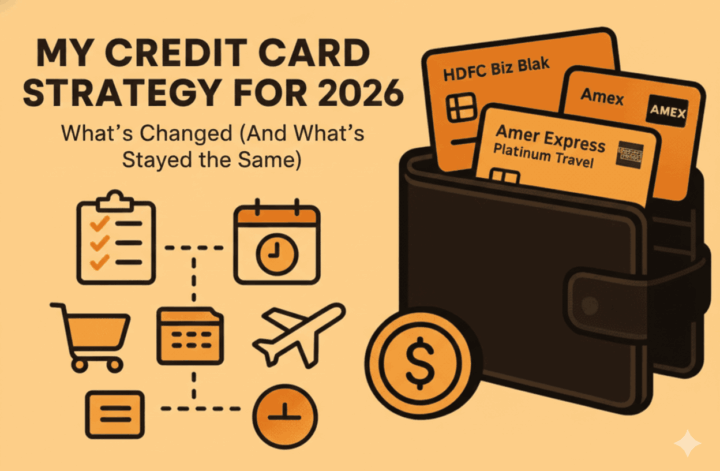
My Credit Card Strategy for 2026: What’s Changed (And What’s Stayed the Same)

My Credit Card Strategy for 2026- What's Changed (And What's Stayed the Same)

If you read my Smart Wallet article from 2025 , you already know I’m a bit obsessed with optimizing my credit card setup. Not in a “chase every reward point” kind of way, but more in a “get decent returns without making it my full-time job” kind of way.

Well, it’s 2026 now, and I wanted to share an update on my credit card strategy—what’s working, what’s changed, and the actual returns I’m seeing.

Quick Recap: My 2025 Setup

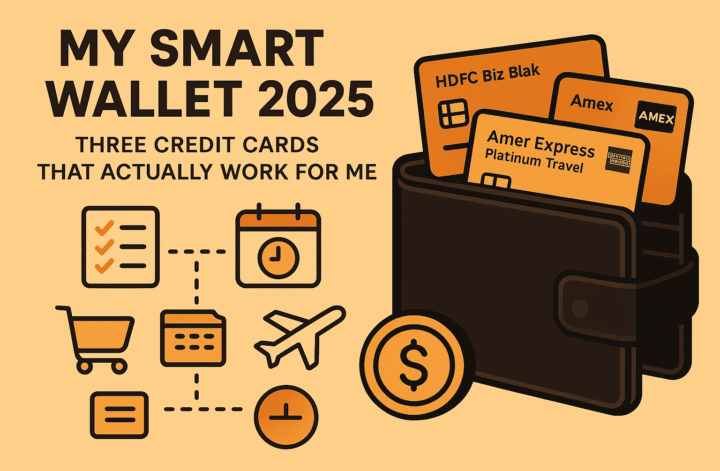
Last year, my core wallet consisted of three cards:

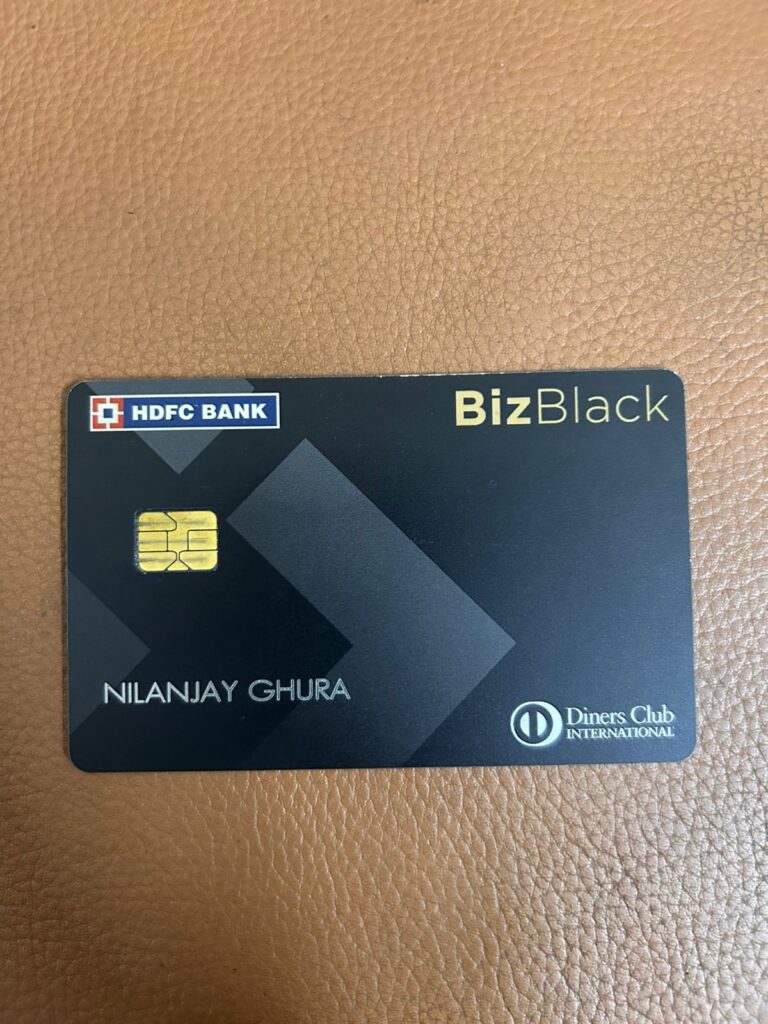
HDFC BizBlack Diners Club – My business workhorse for taxes, utility bills, and travel bookings. Fun fact: I got this as a free upgrade back in 2022 or 2023, so I don’t pay any annual fees. Lucky me.

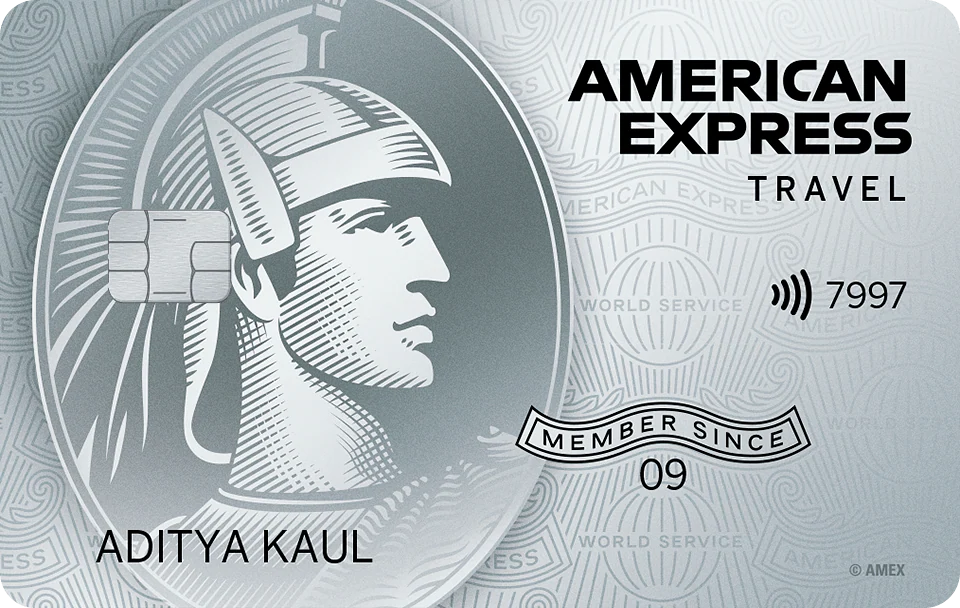
American Express Platinum Travel – This one came into my life by accident at Mumbai airport. I’ve always wanted an Amex card, and Platinum Travel is what they offered me. No regrets.

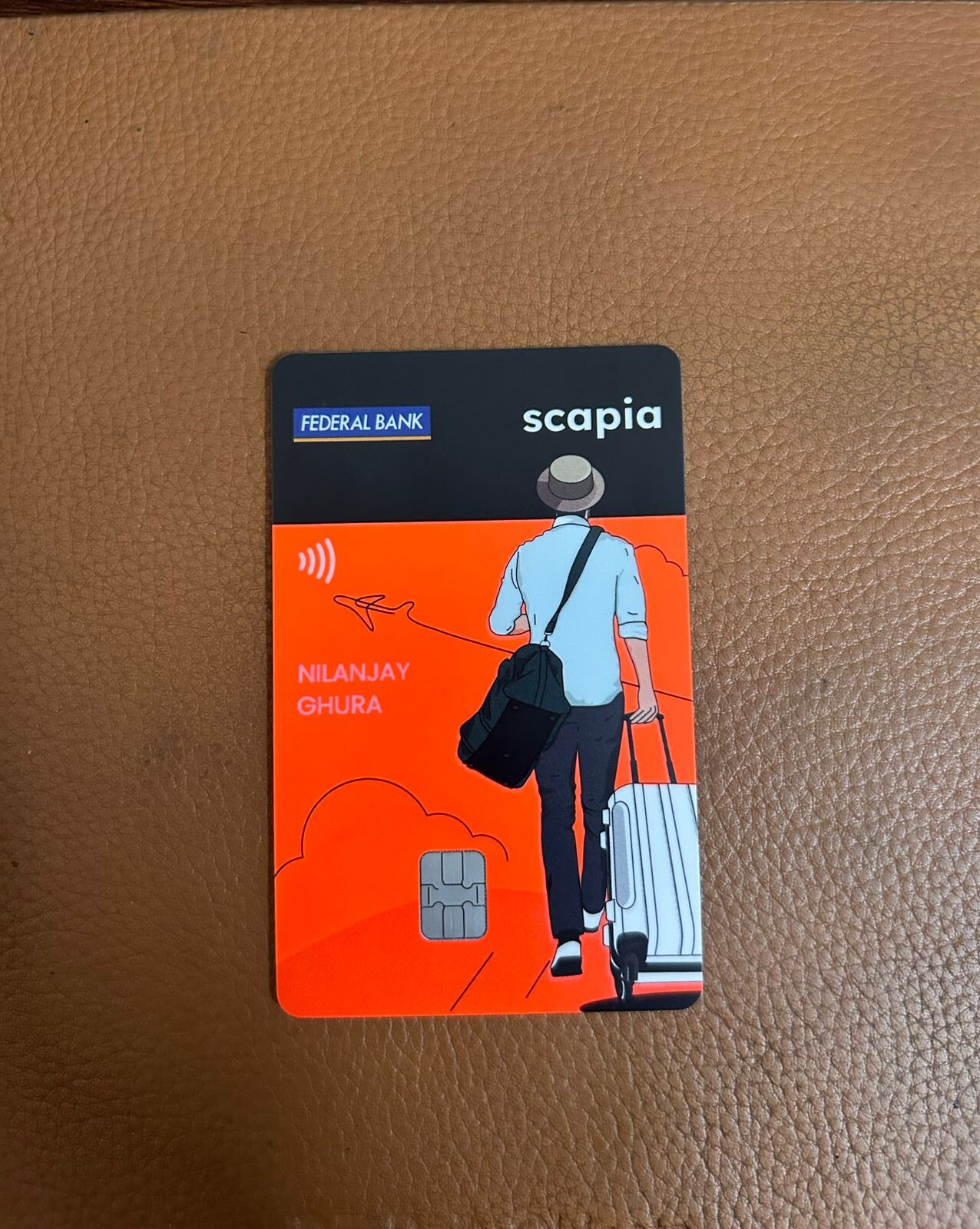
Scapia Federal – The new addition in Q4 2025. Dual functionality with both Visa and RuPay, which means I can pay via UPI using a credit card. That alone sold me.

These three cards formed my core strategy, and they did their job well.

The Numbers: How Much Did I Actually Earn?

Let me get straight to the good stuff—the returns.

2024 Performance:

  • HDFC BizBlack: 8% return on spend
  • Amex Platinum Travel: 7% return on spend
  • Axis Atlas: 4% return on spend (RIP, I cancelled this card because I didn’t know how to use it properly back then)
  • Average ROS: 6%

2025 Performance:

  • HDFC BizBlack: 7% return on spend
  • Amex Platinum Travel: 7% return on spend
  • Scapia Federal: 8% return on spend
  • Average ROS: 7%

That’s a 1% year-on-year growth. Not earth-shattering, but consistent improvement is what I’m after.

Breaking Down Each Card: How I Use Them in 2026

Let me walk you through my strategy for each card and why they’re still in my wallet.

Amex Platinum Travel: The Hotel Redemption Machine

This card has one main job for me: hotel stays.

Here’s how I use it:

Gyftr Vouchers for 3X Points – Every month, I buy Amazon Pay gift cards through Gyftr, which gives me 3X reward points. I then use those gift cards to pay for Uber, Amazon purchases, and anything else that accepts Amazon Pay.

Milestone Benefits – Amex Platinum Travel is milestone-based. If you hit certain spending thresholds, you get bonus points. The first milestone gives you 7500 + 7500 bonus points and second milestone is INR 4 lakh spends, which gives you 10,000 + 10,000 bonus points

Marriott Bonvoy Conversions – The real magic happens here. I will be converting my Amex points to Marriott Bonvoy points at a 1:1 ratio to book luxury hotel stays. Whether it’s a vacation or a work trip, this is my go-to redemption method.

Etihad Airways (Backup Redemption) – I’m a big fan of Etihad, and if I’m getting a good deal on flight bookings, I can convert Amex points to Etihad points at a 2:1 ratio. It’s not my primary use, but it’s a solid backup option.

HDFC BizBlack: The Business Powerhouse

This is purely a business card for me. If it’s related to work, it goes on this card.

What I Use It For:

  • Tax payments (GST, income tax)
  • Utility bills (office internet, Wi-Fi, phone subscriptions)
  • Any other business-related expenses

Bonus Points Hack – If you spend at least INR 50,000 monthly on applicable transactions, you get an additional 7,500 points. That’s free money for spending I was going to do anyway.

HDFC SmartBuy Portal – The best part about this card is that I don’t always need to transfer points to partner programs. HDFC’s SmartBuy portal lets me redeem points directly for flight tickets, train bookings, shopping vouchers, and more. If I’m getting a better deal there, I skip the transfers entirely.

Scapia Federal: The UPI Game Changer

This is my newest addition, and it fills a very specific gap in my wallet.

Why I Got It:

  • Dual functionality – Visa + RuPay in one card, which means I can pay via UPI using a credit card.
  • Universal acceptance – When Amex or Diners Club isn’t accepted (which happens more often than you’d think), Scapia has my back.

Milestone Benefits – Scapia also has a monthly spending threshold. If you spend INR 20,000 monthly (across UPI, Visa, or both combined), you unlock domestic airport privileges. It used to be INR 10,000 on Visa or INR 15,000 on RuPay separately, but now they’ve clubbed it together.

The Downside – The redemption ratio is pretty bad. You can only redeem points on the Scapia app, and it’s at a 5:1 ratio (5 Scapia points = 1 rupee). Not great, but I mainly use this card for convenience and airport perks, not reward maximization.

The “Perk Only” Cards: HDFC Swiggy & Marriott Bonvoy

I also have two additional cards that I don’t use for regular spending. These are purely for perks.

HDFC Swiggy – I got this card for one reason: 12 months of Swiggy One membership. That’s it. I don’t use it for anything else.

HDFC Marriott Bonvoy – This card gives me silver status on Marriott Bonvoy, plus one free night worth 15,000 points at any Marriott property. Not a bad deal for INR 5,000 annual fees.

My 2026 Strategy: Staying the Course

For Q1 2026, my core stack remains the same:

  • Amex Platinum Travel – Hit milestones, buy Gyftr vouchers and use reward points for hotel redemptions
  • HDFC BizBlack – Business expenses and booking air/train tickets via Smartbuy portal.
  • Scapia Federal – UPI payments and gap-filling transactions

I’m sticking with these three because they work. They complement each other without overlapping, and they cover almost every spending scenario I run into.

At the end of the year, I’ll track my returns again and see if I’ve maintained that 7% average—or maybe even pushed it higher. But for now, I’m not changing anything.

Final Thoughts

Credit card strategies don’t need to be complicated. You don’t need 10 cards or a PhD in reward programs. You just need a few cards that work well together and match your actual spending patterns.

For me, that’s three core cards and two perk cards. Simple, effective, and stress-free.

If you have your own credit card strategy or tips to share, drop them in the comments. I’m always curious to see what’s working for other people.

And if you’re just starting out with credit cards, remember: the goal isn’t to maximize every single rupee—it’s to build a system you can stick to without overthinking every purchase.

That’s the real win.
Continue Reading

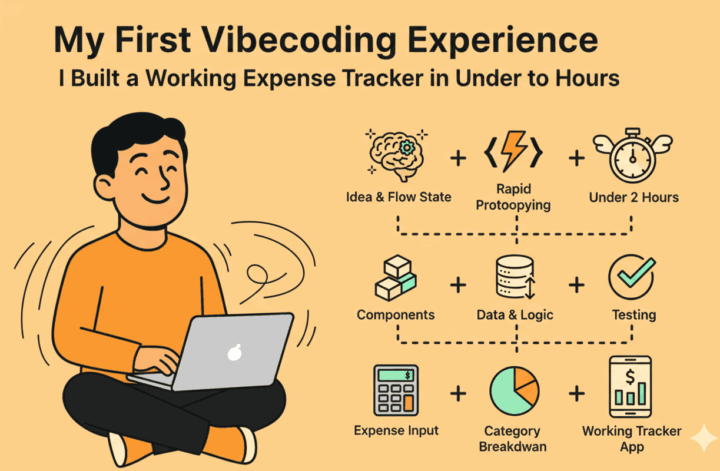
My First Vibecoding Experience: I Built a Working Expense Tracker in Under 2 Hours

My First Vibecoding Experience- I Built a Working Expense Tracker in Under 2 Hours

Let me start by saying this: I’m not a developer. I can barely write a “Hello World” program without Googling the syntax. But last month, during a boring 10-hour train ride, I decided to try something I’d been hearing about everywhere “vibecoding”. And honestly? It blew my mind.

If you haven’t heard of vibecoding yet, it’s basically the idea of building software by describing what you want in plain English, and AI does the heavy lifting. No coding knowledge required. Just vibes. And instructions.

This is the story of how I built a fully functional expense tracker app in less than 2 hours—while sitting on a train, using just my phone.

How It All Started: Boredom Meets Ambition

Picture this: I’m on a train, staring out the window, and I’ve already scrolled through Instagram thrice. I needed something productive to do. So I thought, “Why not build something?”

I’d been wanting to track my expenses better for a while. There are plenty of apps out there, but most of them either have too many features I don’t need, or they’re just not customizable enough. So I decided to build my own.

My first plan? An iOS app. I downloaded Replit (which has an iOS application) and started giving it instructions. Within a couple of hours, I actually had something working. But here’s where things got tricky—turning it into a live iOS app was way more complicated than I expected. The deployment process was a nightmare. I tried again when I got home using my laptop, and it was still too much of a hassle.

That’s when I pivoted. Instead of fighting with app store approvals and complicated setups, I thought: why not just build a web app? I can access it from my phone’s browser, my laptop, anywhere. No app store drama needed.

And that decision changed everything.

Building the Web App: Faster Than I Expected

Once I switched to building a web app, things moved fast. Really fast.

I logged into Replit, opened up the AI agent, and started chatting with it like I was talking to a developer friend. I told it what I wanted: a simple expense tracker where I could log my spending, categorize it, and see some basic stats.

The AI understood immediately. It started building.

Within less than an hour; I’m talking 45 minutes to an hour max, I had a working expense tracker. The app was live and functional before I even finished my coffee.

The final product is called Money Tracker, and you can actually access it here. It’s nothing fancy, but it works perfectly for what I need.

What Does the App Actually Do?

Let me walk you through what I built and remember, all of this was created just by chatting with Replit’s AI agent. I didn’t write a single line of code myself.

The Login Screen: Everything here was written by the AI. I just gave it instructions, and it handled the rest. You can sign in using your Replit account, which makes it super easy.

Dashboard Overview: Once you’re logged in, you see your total spend for the month, number of transactions, top spending category, average daily spend, and average monthly spend. It’s simple but gives me exactly what I need at a glance.

Real Data, Real Use: This isn’t a demo. I’m actually using this app every single day to track my expenses. I started in December 2025, and I’m still logging transactions in January 2026. The data you see on the screen? That’s my actual spending.

Recent Transactions: There’s a quick preview section where I can see my most recent expenses, along with which payment method I’m using the most.

Category and Income Tracking: I can filter expenses by category, add new categories, track income sources, and manage my payment methods—all from the settings.

CSV Import/Export: I added the ability to import and export data as CSV or Excel files. I haven’t used this feature yet, but I know it’ll come in handy later.

The whole thing just works. And it’s exactly what I wanted.

The AI Agent Experience: Bugs, Fixes, and Real-Time Problem Solving

Now, let’s be real, it wasn’t perfect from the start. There were a few bugs along the way, but here’s where things got interesting.

For example, I discovered that when I selected a date—let’s say December 1st—the system would record it as November 30th. Classic timezone bug. So I went back to the AI agent and said, “Hey, there’s a date issue here. Fix it.”

And it did. The AI recognized it was a timezone problem, explained what was happening, and patched it. Just like that.

What amazed me wasn’t just that the AI could build the app, it was that it could debug and fix issues in real time based on my feedback. I didn’t need to understand the code. I just needed to describe the problem, and the AI handled the rest.

Watching the AI agent think through the problem, process my instructions, and then update the code was honestly kind of wild. It felt less like using a tool and more like collaborating with a developer who just happens to work at lightning speed.

Why This Experience Changed My Perspective

Before this, I always thought that if I wanted to build something, I’d need to learn to code first. And while I still think coding is a valuable skill, this experience showed me that the barrier to entry is shrinking fast.

Vibecoding isn’t about replacing developers. It’s about empowering people like me, people with ideas but no technical skills, to bring those ideas to life without needing a computer science degree.

I spent maybe 1.5 to 2 hours total getting everything ready. That includes the initial iOS app attempt, the pivot to the web app, and all the bug fixes. And now I have a tool I use every single day.

The best part? I didn’t have to compromise on what I wanted. The app does exactly what I need it to do, nothing more, nothing less. No bloated features. No subscription fees. Just a simple, functional tool that works for me.

What’s Next?

I’m hooked. I’m already working on my next vibecoding project, a travel bucket list app that I’m calling the “Wander Atlas.” I want a place where I can save travel destinations, track where I’ve been, and plan future trips. And based on how this expense tracker went, I’m pretty confident I can build it.

The way I see it, vibecoding is still in its early days, but it’s already changing what’s possible for non-technical people. If you have an idea and a little bit of time, you can build something real. You don’t need permission, and you don’t need to wait for a developer to help you.

You just need to start.

Final Thoughts

If you’ve been curious about vibecoding but haven’t tried it yet, this is your sign. Pick a tool (I used Replit, but there are others), think of something simple you want to build, and just start chatting with the AI.

You’ll probably make mistakes. You’ll probably run into bugs. But you’ll also build something real and that feeling is unbeatable.

Continue Reading

My Smart Wallet 2025: Three Credit Cards That Actually Work for Me

My Smart Wallet 2025: Three Credit Cards That Actually Work for Me

Let me start with a disclaimer – I’m not a credit card expert, financial advisor, or someone who’s spent years studying the intricate details of reward programs. I’m just a regular person who’s been using credit cards since 2021 and has stumbled through the learning process of figuring out what actually works for my lifestyle and spending patterns.

What I call my “smart wallet” is essentially my personal system of three credit cards that I’ve settled on after some trial and error. When I say “smart,” I don’t mean I’ve cracked some secret code or found loopholes that banks hate. I simply mean I’ve found a combination that gives me decent returns on money I’m already spending, without the hassle of managing too many cards or chasing rewards I’ll never actually use.

This article is purely about my personal experience – why I chose these specific cards, how I use them, and what kind of returns I’m seeing. Your spending habits, lifestyle, and financial goals are probably different from mine, so what works for me might not work for you. But maybe sharing my journey will give you some ideas for optimizing your own wallet.

How It All Started

Back in 2021, I was pretty much a credit card novice. I had a HDFC bank account for my business, and during one of those routine calls where they try to sell you everything, the representative mentioned I could get their Business Moneyback credit card for free. No joining fee, no annual fee for the first year – it seemed like a no-brainer.

That HDFC Business Moneyback was my introduction to the world of credit cards. I started noticing the cashback trickling in, began paying attention to reward categories, and slowly realized there might be more to this whole credit card game than I initially thought.

But as my spending patterns evolved, I realized that one card wasn’t going to cut it. Different cards excel in different areas, and trying to maximize rewards with just one card felt like leaving money on the table. That’s when I started researching and eventually switched to what I now call my smart wallet setup.

My Current Smart Wallet Setup

I’ve settled on a three-card system that covers all my bases without getting too complicated. Each card serves a specific purpose, and together they give me decent rewards across different spending categories while minimizing the hassle of managing too many accounts.

Here’s how my smart wallet breaks down:

HDFC Biz Black Diners Club: My Business Workhorse

This card came as an upgrade from my previous HDFC Business Card, and it’s become the backbone of my business spending strategy. I use it primarily for business transactions, travel bookings, and even paying my income tax dues – and here’s why that makes sense.

The reward structure is straightforward: every INR 30 I spend gives me 1 reward point, and each point equals 1 rupee on the HDFC SmartBuy Portal. That’s essentially a 3.33% return rate, which is pretty solid for a business card. But where this card really shines is in the bonus categories.

When I book flights or hotels through MakeMyTrip using this card, I get 5-10X reward points. Since I travel to Spain frequently for work, this adds up quickly. Plus, here’s a neat hack I discovered: I have an HDFC Forex Prepaid Card for my Spain trips, and every time I add money to that Forex card using my HDFC Biz Black, I get 5X reward points. It’s like getting rewarded for preparing for my international travel.

One thing I really appreciate is that this card rewards me for paying income tax – not many credit cards do that. On average, I spend about INR 20,000 monthly on this card (excluding travel bookings), and the rewards keep accumulating nicely.

The unlimited domestic and international lounge access in India is a nice bonus, though I’ll admit the international lounge network outside India isn’t as extensive as I’d like.

The main downside? Diners Club isn’t accepted everywhere like Visa or Mastercard. You’ll run into places that just don’t take it, which is why having backup options is essential.

American Express Platinum Travel: My Personal Rewards Engine

I actually discovered this card by accident at Mumbai airport – I’d always wanted an Amex because of the brand reputation, but I didn’t know much about Platinum Travel specifically. It wasn’t until months later, after attending a credit card webinar, that I realized just how rewarding this card could be.

My strategy with this card is pretty specific: I use it exclusively for personal expenses, and I’ve developed what I call my “Amazon ecosystem hack.” Every month, I buy INR 10,000 worth of Amazon gift cards through the Gyfter platform, which gives me 3X reward points. I then add these gift cards to my Amazon Pay balance and use that balance for payments across Swiggy, Zomato, Amazon purchases, and pretty much anywhere that accepts Amazon Pay.

Gyfter limits you to INR 10,000 in gift card purchases per month, so I’ve made it a ritual to buy them at the beginning of each month. This gives me a guaranteed 3X return on money I’m going to spend anyway.

But the real magic happens with the milestone rewards. The Amex Platinum Travel is milestone-based, and I target the INR 1.9 lakh spending milestone, which gives me 7,500 + 7,500 bonus points on top of my regular spending points. That’s a significant bonus that makes the higher spending worthwhile.

What makes these points even more valuable is the 1:1 conversion ratio to Marriott hotel points. Being able to convert credit card points directly to hotel stays eases the trip budget.

Scapia Federal Credit Card: The UPI Game Changer

This is my newest addition, added in 2025 after hearing about it on The Great Indian Points and Miles Show. What attracted me wasn’t necessarily the rewards program, but a very specific feature: it’s a 2-in-1 card with both Visa and RuPay, and you get it with zero fees.

And the RuPay version allows me to make UPI transactions using a credit card. 

This card fills a crucial gap in my wallet because there are plenty of situations where neither Diners Club nor Amex is accepted, but UPI and VISA are universally accepted in India.

My goal with this card is simple – use it for expenses where I don’t have the option to pay with my HDFC or Amex cards. I try to keep my spending under INR 15,000 monthly on this card.

The airport benefits are impressive too. The card offers complimentary dining, retail shopping and spa services across selected airports across India, along with unlimited access to airport lounges (which only gets activated when you spend either 10K INR on VISA card or 15K INR on Rupay card)

This card isn’t about maximizing rewards for me – it’s about convenience and filling the gaps where my other cards don’t work plus get some additional airport benefits. 

If you would like to apply for this card, you can use my referral link: click here (If you activate the card, both me and you will get 1,000 Scapia points)

The Strategy Behind My Smart Wallet

Having three credit cards might seem like overkill, but there’s actually a method to this madness. Each card fills a specific role, and together they create a system where I’m almost always using the optimal card for any given transaction.

Here’s my mental framework for deciding which card to pull out:

Business expenses, travel bookings, and tax payments? HDFC Biz Black all the way. The 3.33% base return rate is solid, but the 5-10X multipliers on travel bookings through MakeMyTrip make this a no-brainer for work/personal travel. Plus, getting rewarded for paying income tax feels like finding free money.

Personal expenses where I want maximum rewards? American Express Platinum Travel, but specifically through my Amazon gift card strategy. By routing my personal spending through Amazon Pay, I’m essentially getting 3X points on purchases that would otherwise earn standard rates.

Everywhere else where the other two don’t work? That’s where Scapia shines. Small local vendors who only take UPI, places that don’t accept Diners Club or Amex, or situations where I just need the convenience of universal acceptance.

My monthly spending breakdown looks roughly like this:

  • HDFC Biz Black: INR 20,000+ (business expenses, travel, tax payments)
  • Amex Platinum Travel: INR 10,000 (Amazon gift cards for personal spending)
  • Scapia Federal: Under INR 15,000 (gap-filling transactions)

This gives me a total monthly credit card spend of around INR 45,000, which might sound like a lot, but remember – this isn’t additional spending. This is money I was going to spend anyway, just routed through the most rewarding channels.

The learning curve and mistakes I made:

Initially, I tried to maximize rewards on every single transaction, which was exhausting. I’d stand at checkout counters trying to remember which card gave better rewards for groceries versus fuel versus dining. That approach was unsustainable.

The breakthrough came when I realized that having a clear purpose for each card was more important than chasing the absolute maximum rewards. Once I assigned specific roles – business card, personal rewards card, and gap-filler card – the decision-making became automatic.

Another mistake was not paying attention to acceptance networks early on. I learned the hard way that having the world’s best rewards card doesn’t help if you can’t actually use it where you need to shop. That’s why having both premium cards (HDFC, Amex) and a widely accepted backup (Scapia with Visa/RuPay) is crucial.

The milestone-based nature of the Amex card taught me the importance of consistent spending patterns. Rather than sporadic large purchases, I now plan my spending to hit those milestone bonuses systematically – like my monthly Amazon gift card purchases.

Is a Three-Card Smart Wallet Worth It?

After using this three-card system for a while now, here’s my honest assessment: yes, it works, but it’s not for everyone.

What I’ve learned that might help you:

The sweet spot isn’t about having the most cards or chasing every possible reward. It’s about finding cards that complement each other and match your actual spending patterns. My HDFC card handles business and travel, Amex maximizes my personal spending through the Amazon ecosystem, and Scapia fills the gaps where the other two can’t reach.

The key is having a clear purpose for each card. When I stopped trying to optimize every transaction and instead assigned specific roles to each card, managing them became effortless. Business expenses automatically go to HDFC, personal spending gets the Amex treatment, and everything else defaults to Scapia.

The numbers that matter:

With my current spending of roughly INR 45,000 monthly across all three cards, I’m generating meaningful returns without overthinking individual purchases. The HDFC card’s 3.33% base rate plus travel multipliers, Amex’s milestone bonuses, and Scapia’s convenience factor create a system that just works.

Is this complexity worth it for you?

Honestly, it depends on your spending habits and tolerance for managing multiple accounts. If you’re someone who travels frequently, has both business and personal expenses, and doesn’t mind the administrative overhead of tracking different reward systems, then yes – this approach can be quite rewarding.

But if you prefer simplicity and don’t want to think about which card to use when, you might be better off with just one or two really good cards that cover your primary spending categories.

Remember: I’m not a credit card expert, just someone sharing what works for my specific situation. Your spending patterns, travel frequency, and financial goals are probably different from mine. The best smart wallet is the one that fits your lifestyle, not necessarily the one with the highest theoretical returns.

The most important lesson I’ve learned is that the perfect credit card strategy is the one you’ll actually stick to consistently. Whether that’s one card or five cards, the key is finding a system that rewards your natural spending habits without turning every purchase into a complex decision.

What works for me might not work for you, and that’s perfectly fine. The goal isn’t to copy someone else’s wallet – it’s to build one that makes sense for your life.

Continue Reading